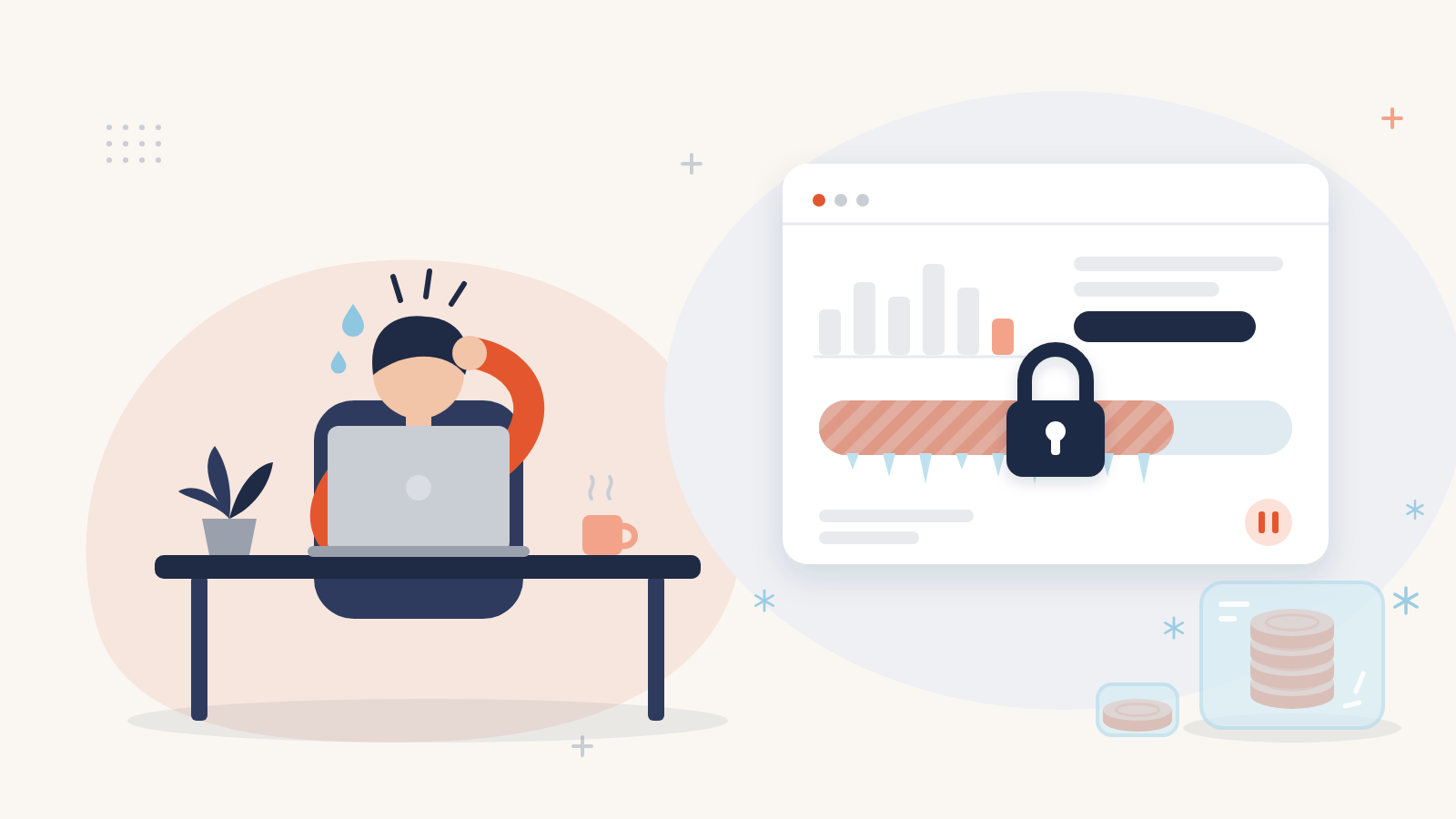
I still remember the first time it happened to me. Sales were finally picking up, ads were working, and I opened my Shopify admin expecting to see a payout. Instead, a banner said my payouts were on hold.
No warning, no clear explanation, and suddenly the money I needed to pay suppliers and keep ads running was locked. If you're reading this, there's a good chance you're in the same spot right now. It's stressful, and it can kill a store that's actually doing well.
After going through it myself, and after helping a lot of other store owners with it, I've seen the same few causes come up again and again. Here they are.
1. Too many chargebacks
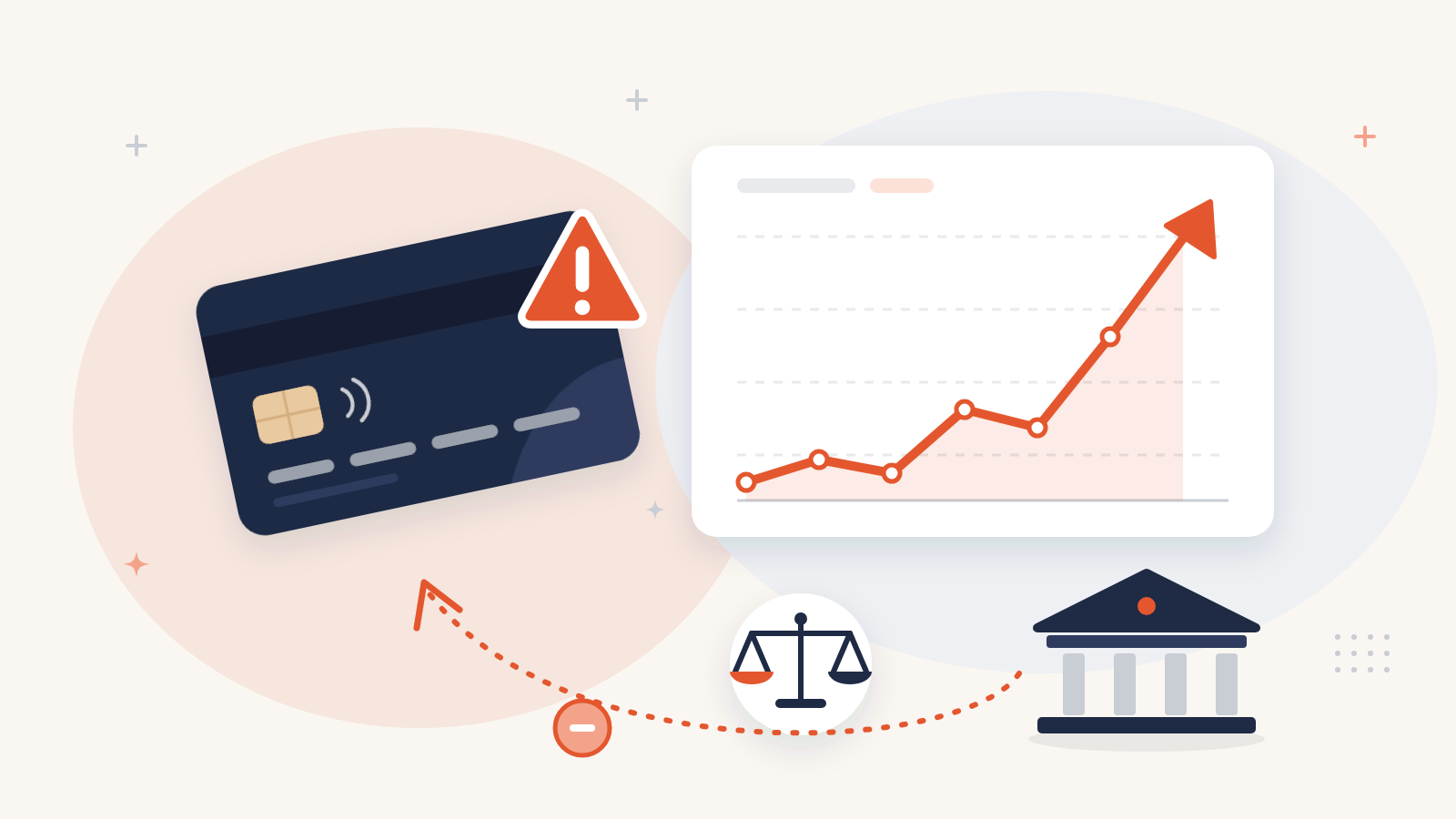
This is the big one. Every time a customer disputes a charge with their bank, it counts against you. Once your chargeback rate starts climbing, Shopify sees your store as a financial risk and holds your money back to cover future disputes.
Chargebacks usually come from customers who don't know where their order is, from long delivery times with no updates, and from products that don't match the description. Most of them are preventable if customers can see their order is on the way.
2. Not fulfilling orders correctly
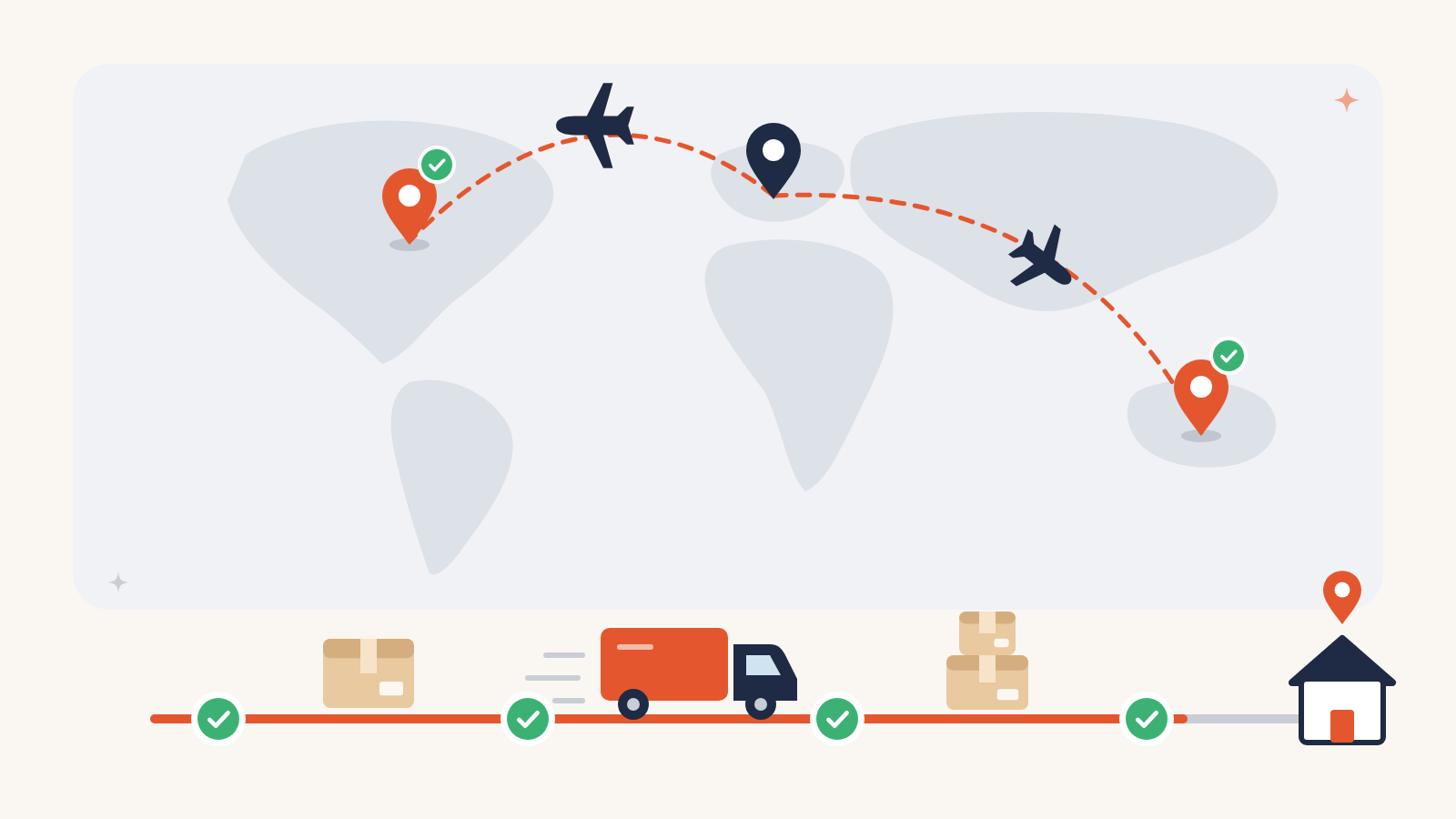
This is the one most dropshippers underestimate. Shopify watches how fast you mark orders as fulfilled and whether you add tracking. If orders sit unfulfilled for days, or the tracking you add doesn't make sense for the order, it's a red flag. Tracking that doesn't match the destination country or the order dates is the kind of thing I mean.
With 10 to 20 day shipping times from suppliers, it's very easy to fall behind here without even noticing.
3. Selling replica products
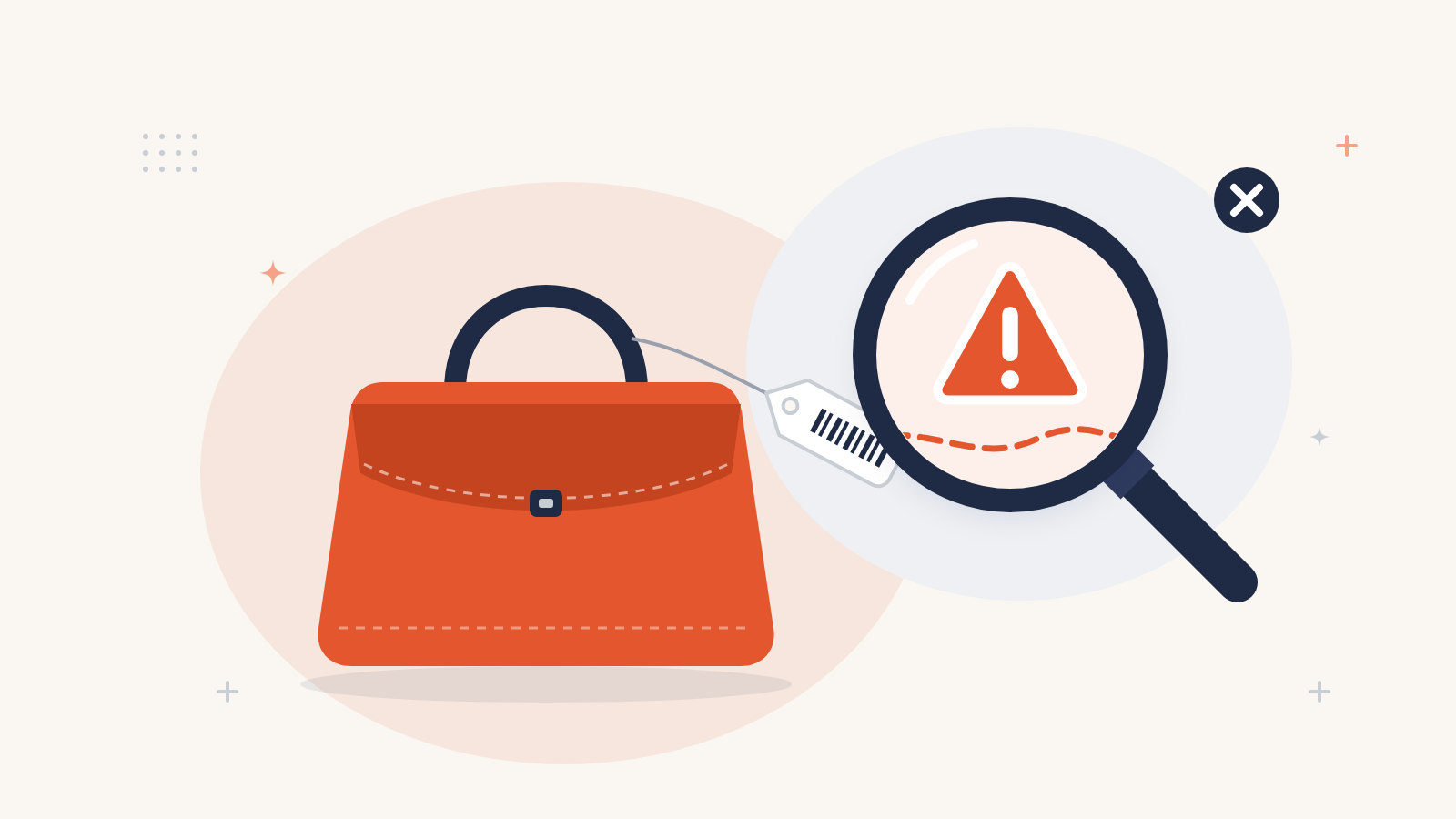
Shopify is very good at spotting counterfeits and branded replicas. If you're selling them, a payout hold is often just the first step before your store gets shut down. There's no workaround for this one: stop selling replicas.
4. Obvious fake reviews
It's not the most common cause, but I've seen it happen. Hundreds of five-star reviews that all sound the same, posted in the same week, make your store look untrustworthy to customers and to Shopify's risk team. Keep your reviews real, even if there are fewer of them.
How to get your money released
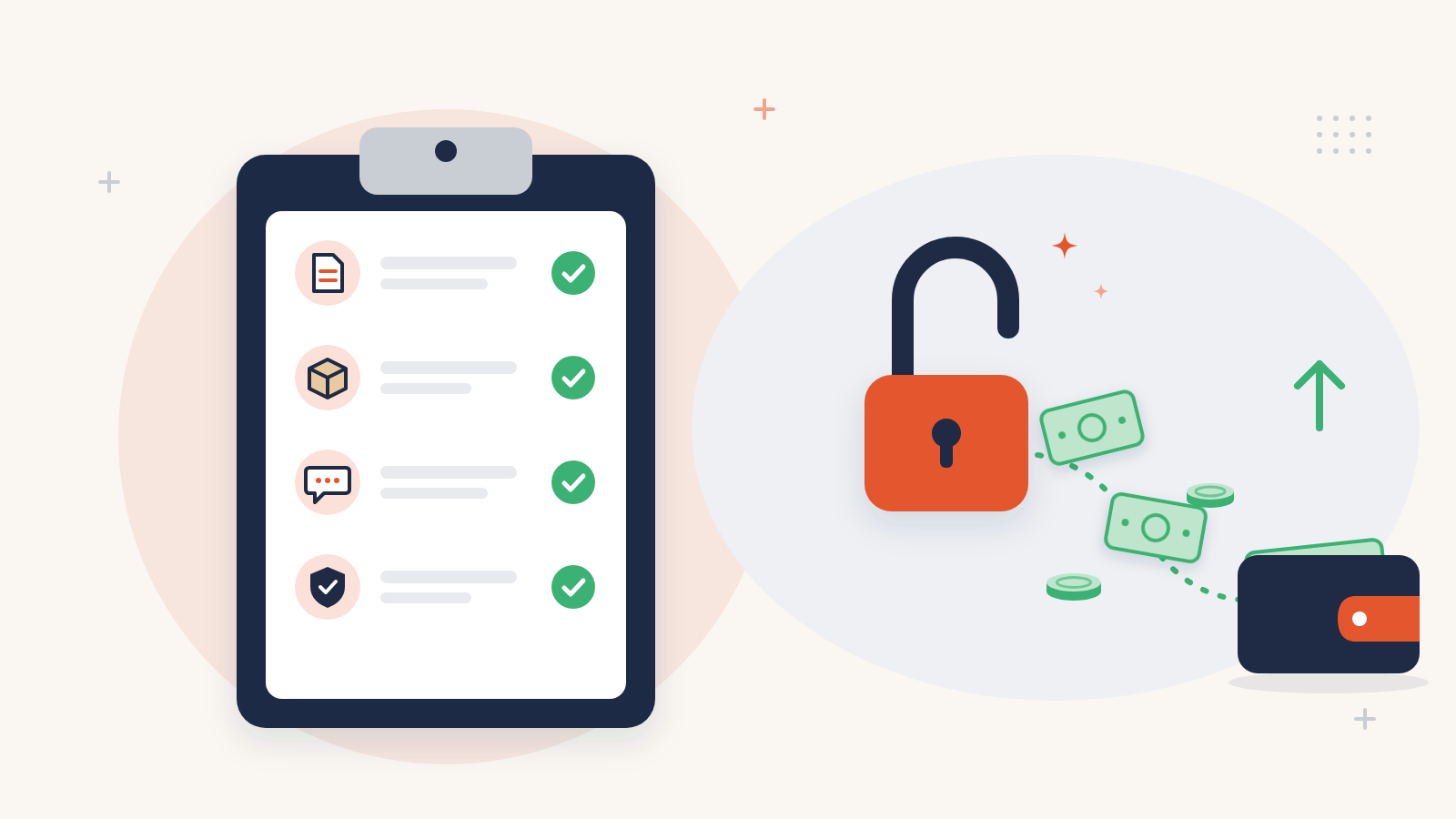
- Answer Shopify fast. If they ask for documents like invoices, supplier info or proof of delivery, send clear, complete information right away.
- Fulfill every open order and add tracking. Show Shopify your orders are really moving.
- Bring your chargeback rate down. Reply to customers quickly, keep them updated, and refund when it makes sense rather than letting it turn into a dispute.
- Clean up the store. Remove risky products and fake reviews, and make sure your shipping and refund policies are clear.
Holds are usually lifted once Shopify sees your risk go down, but it takes time. That's why it's much better to prevent them in the first place.
Why I built Lobster
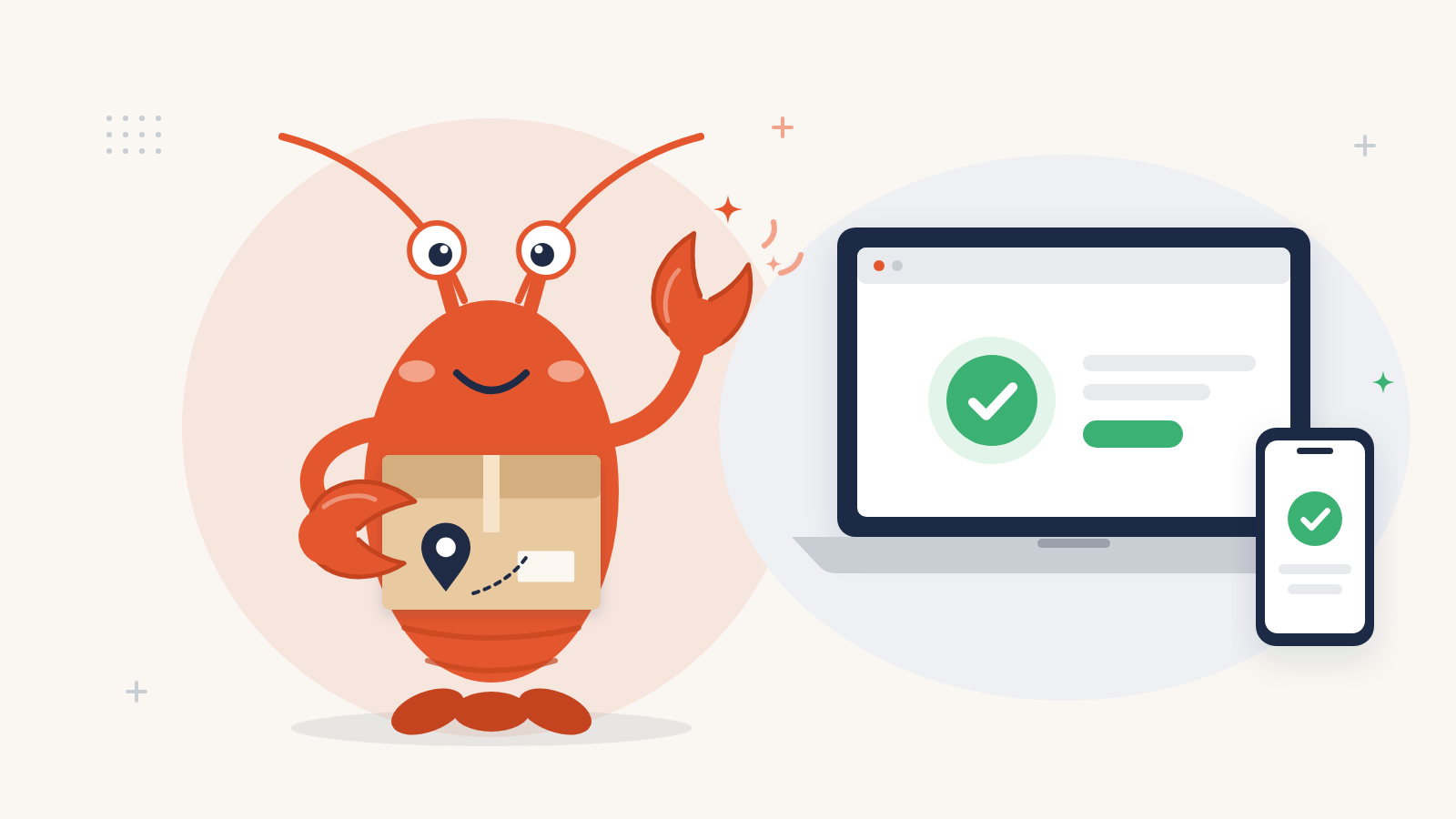
In my experience, most holds come down to the two biggest causes: chargebacks and slow fulfillment. Tracking sits at the center of both. Customers who can watch their parcel move don't panic and file disputes, and Shopify sees orders being fulfilled on time.
That's what Lobster Fulfillment handles for you. You connect your Shopify store, select the orders you want processed, and Lobster:
- Processes your orders in under 24 hours, so they don't sit unfulfilled for days.
- Has my supplier ship the real products, so every tracking number belongs to the customer's own parcel.
- Matches each order with a carrier suited to its destination, so scans keep coming until delivery.
- Syncs the tracking and fulfilled status back to Shopify automatically.
You stop worrying about fulfillment and get back to running your store.
Try it free
Your first 5 orders are free. No monthly fee, and after the trial it's $2.50 per order.